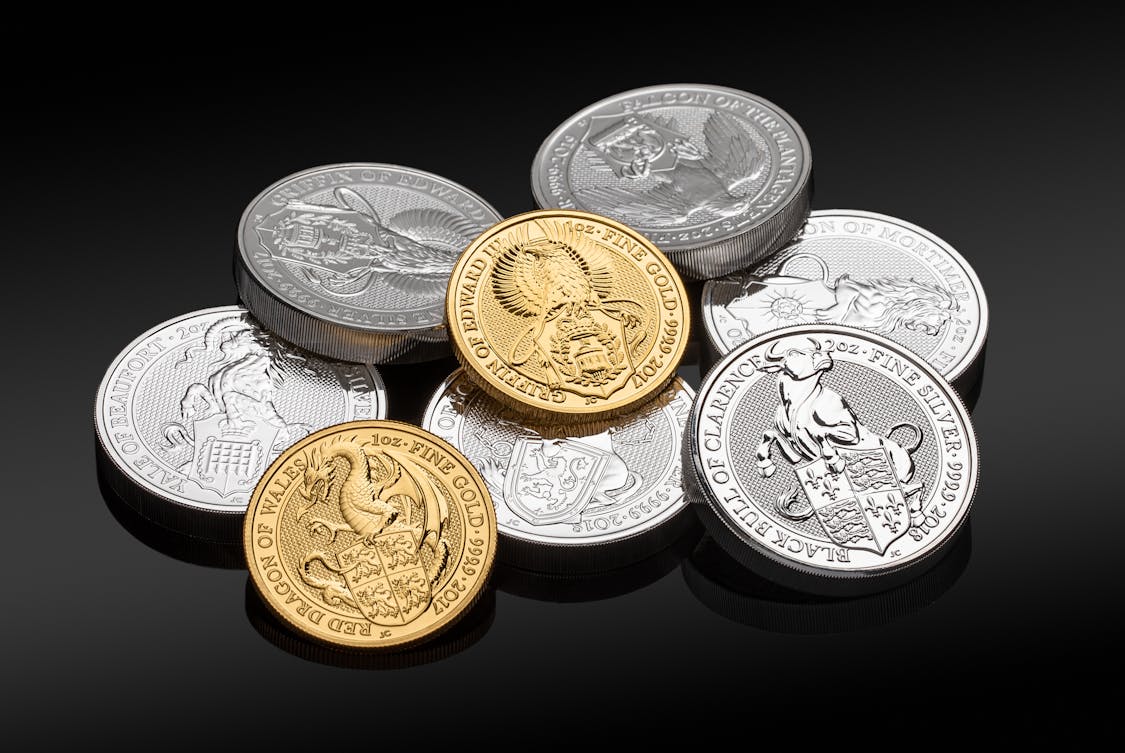
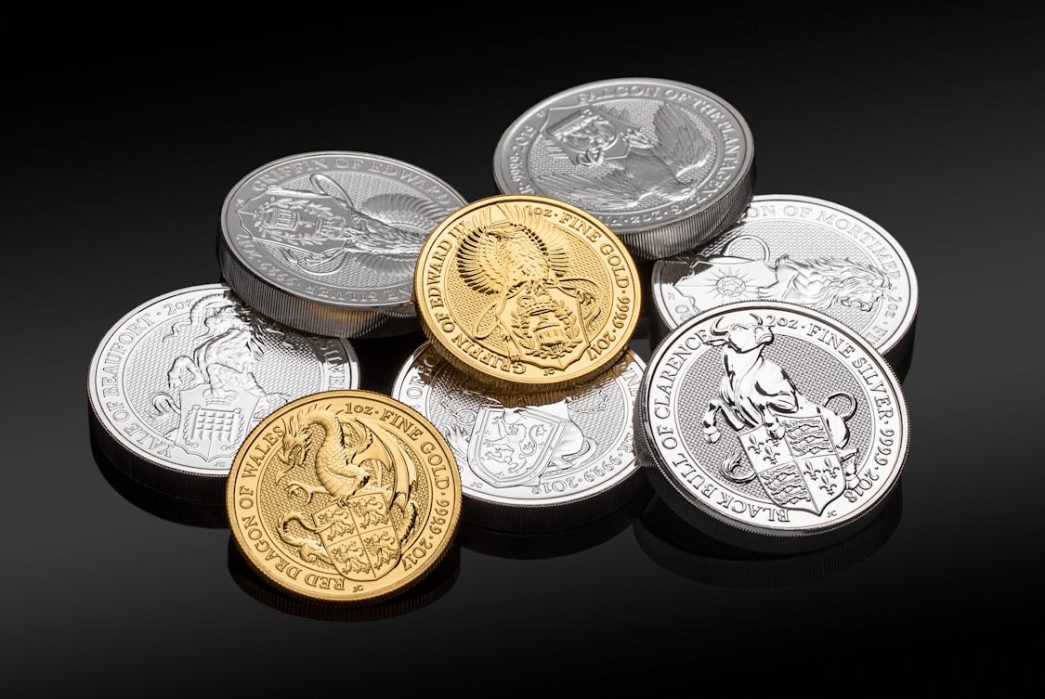
Investing in physical bullion, particularly gold and silver, has captured the attention of many. With fluctuations in the financial markets, precious metals often serve as a refuge.
Unlike stocks or bonds, bullion represents tangible value, often appealing to those who desire a more concrete asset. In uncertain economic climates, these metals tend to shine, reflecting their long-term stability.
Historical Performance of Bullion
A glance at historical trends reveals that gold has maintained its value over centuries. While stock markets can be volatile, gold tends to hold steady, demonstrating resilience during financial crises. 
For instance, during the 2008 financial meltdown, gold prices surged as investors fled to safety.
Silver, often touted as a more affordable alternative, also boasts a rich history. Its industrial applications and use in jewelry contribute to its demand.
The combination of intrinsic value and market demand has allowed both metals to thrive as long-term investments.
The Economic Forces Behind Bullion Prices
Understanding the factors affecting bullion prices is key for any investor. Supply and demand dynamics play a significant role.
When economic uncertainty looms, demand for physical bullion often increases, pushing prices higher. Conversely, when the economy is stable, demand may decline, leading to price dips.
Inflation is another driving force. As the value of currency erodes, bullion often appreciates in value.
Investors frequently turn to precious metals as a hedge against inflation, believing that their purchasing power will remain intact over time.
Diversification and Portfolio Stability
Incorporating physical bullion into an investment portfolio can enhance diversification. Traditional assets like stocks and bonds can be affected by similar market forces.
In contrast, bullion often moves independently, providing a buffer during turbulent times.
By adding precious metals, investors may stabilize their portfolios. This can be especially beneficial during economic downturns, as bullion prices may rise when other assets are struggling.
The benefits of diversification cannot be overstated; it allows for a more balanced approach to risk management.
For those looking to take a more structured approach, exploring account services for serious investors can help streamline bullion management alongside other assets.
The Tangible Nature of Bullion

One of the most appealing aspects of physical bullion is its tangibility. Unlike digital assets or stocks, bullion can be held and stored. This physical presence offers a sense of security to many investors.
Moreover, owning tangible assets eliminates reliance on third parties. In times of crisis, having physical bullion can prove advantageous.
Investors can access their wealth directly, bypassing banks or financial institutions that may be impacted by broader economic challenges.
Long-Term Storage and Security Considerations
When investing in physical bullion, storage and security are pivotal concerns. Investors often face decisions about where and how to store their assets. Options range from at-home safes to professional vault services.
Choosing a secure storage solution helps mitigate risks such as theft or damage. Additionally, proper insurance coverage can provide further peace of mind. Investors must weigh the costs of storage against the benefits of safeguarding their assets.
Legal and Tax Implications
Investing in bullion comes with its own set of legal and tax considerations. Regulations can vary by jurisdiction, impacting how purchases are taxed and reported. Understanding these rules is crucial for avoiding potential pitfalls.
In some regions, bullion may be subject to capital gains taxes when sold. Keeping meticulous records of purchases and sales can simplify the tax reporting process.
Investors should consult with financial advisors or tax professionals to ensure compliance with local laws.
Psychological Factors Influencing Investment Decisions
The psychology of investing plays a critical role in the decision-making process. Fear and greed can drive market trends, influencing how investors perceive bullion.
During economic downturns, fear of loss may push individuals towards precious metals, while periods of prosperity might lead to complacency.
Understanding one’s motivations for investing is crucial. Are buyers seeking security, wealth accumulation, or simply following market trends?
Self-awareness can guide more informed decisions, leading to a sustainable investment strategy.
The Role of Global Events
Global events can significantly impact the value of bullion. Geopolitical tensions, trade disputes, and natural disasters often drive investors towards precious metals.
The unpredictability of these events can create opportunities for savvy investors.
For instance, during times of crisis, bullion prices often rise as investors flock to safe-haven assets. Staying informed about global developments can help investors make timely decisions about buying or selling their holdings.
Bullion vs. Other Investment Vehicles
Comparing bullion to other investment options reveals both advantages and disadvantages. While stocks can offer higher returns, they come with increased risk.
Bonds, on the other hand, may provide more stability but often yield lower returns.
Bullion occupies a unique position. It provides a hedge against inflation and market volatility while remaining a tangible asset. This duality makes it an attractive option for many investors looking to diversify their portfolios.
The Future of Bullion Investing
The future of bullion investing appears bright, with increasing interest from both retail and institutional investors. As economic uncertainty continues to linger, the appeal of precious metals is likely to grow.
Emerging markets may also play a role in driving demand. Countries with rising wealth often seek to diversify their holdings with physical bullion.
This trend could lead to increased prices and greater stability in the marketplace.