House orientation refers to the positioning of a home in relation to the sun’s path, prevailing winds, and surrounding landscape. It plays a significant role in how light and air move through a space, influencing energy consumption and comfort.
Understanding these dynamics can help homeowners make informed decisions about their living environments.
Natural Light: A Vital Element
Natural light is essential for well-being and functionality. The orientation of a house directly affects how sunlight enters various rooms throughout the day. 
A south-facing home typically maximizes sunlight exposure, allowing warmth and light to flood in during winter months. This not only enhances mood but can also reduce reliance on artificial lighting, leading to lower energy bills.
Conversely, north-facing homes receive less direct sunlight, which can result in cooler indoor temperatures and a darker environment.
Homeowners may find themselves turning on lights more frequently or relying on supplemental heating, especially in colder climates. Thoughtful design considerations, such as larger windows or skylights, can help mitigate these effects.
Airflow and Ventilation: A Breath of Fresh Air
Airflow is another critical factor influenced by house orientation. Proper ventilation is vital for maintaining a comfortable indoor environment and promoting air quality.
Homes situated to capture prevailing breezes can significantly enhance airflow. For example, placing windows on the windward side allows fresh air to circulate while drawing out stale air.
In hot climates, orienting a home to maximize cross-ventilation can decrease reliance on air conditioning. Strategically placed overhangs and awnings can shield windows from harsh sunlight while still allowing breezes to flow freely.
This thoughtful design can create a naturally cool environment, making living spaces more enjoyable without excessive energy consumption.
Energy Efficiency: Dollars and Sense
Orientation significantly impacts a home’s energy efficiency. By harnessing natural light and airflow, homeowners can reduce heating and cooling costs.
For instance, a well-oriented home can maintain comfortable temperatures with minimal reliance on heating systems during winter or air conditioning in summer.
These benefits are especially true when homes are designed with smart, passive solar principles in mind, as detailed by Aveling Homes.
In warmer climates, buildings can benefit from shading techniques that prevent overheating. Overhangs, trees, and landscaping can provide shade to windows, diminishing heat gain and keeping interiors cooler.
This approach minimizes the use of cooling devices, resulting in savings on energy bills.
On the flip side, poorly oriented homes may face challenges in energy consumption. Homes that gain excessive heat during summer months can lead to increased air conditioning use.
During winter, homes with limited sunlight exposure may require additional heating resources, straining energy budgets.
Landscaping: Partnering with Nature
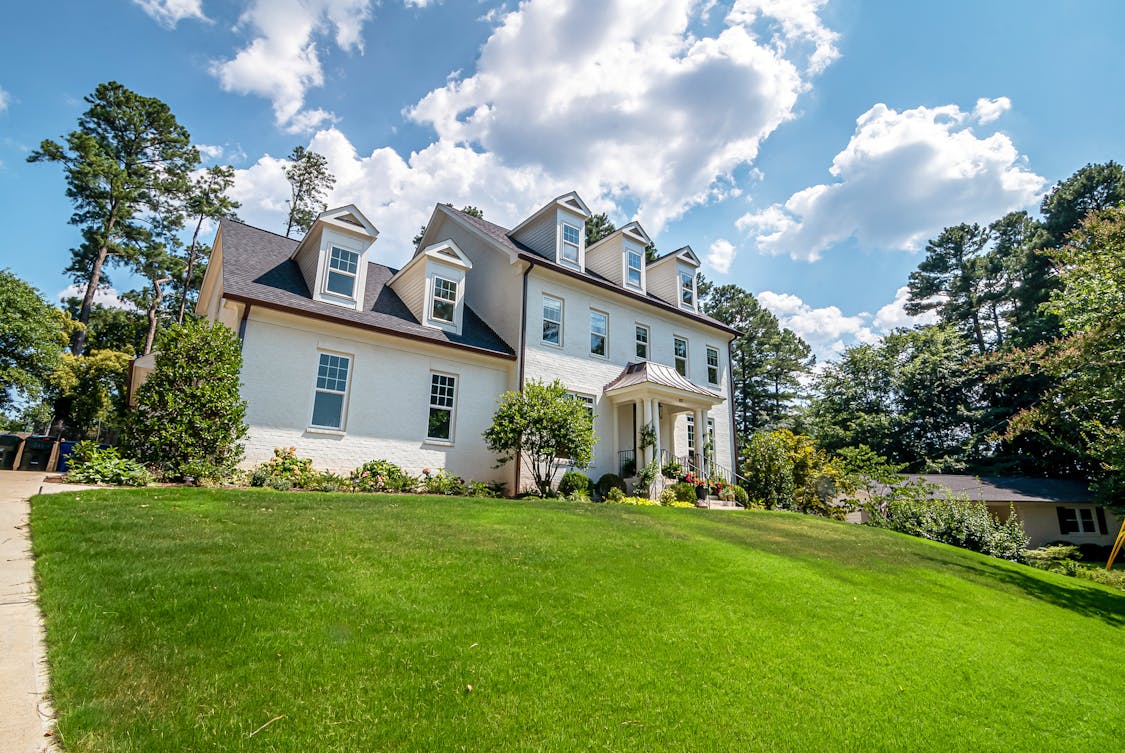
Landscaping plays a crucial role in enhancing the benefits of house orientation. Trees, shrubs, and other vegetation can be strategically planted to provide shade and windbreaks.
For instance, deciduous trees can offer shade during summer while allowing sunlight to filter through in winter after shedding their leaves.
Moreover, proper landscaping can also direct airflow toward the house. The placement of vegetation can help channel breezes through windows, enhancing natural cooling.
This collaboration between architecture and nature creates a more harmonious living environment.
Sustainable Practices: Building for the Future
In an age of rising energy costs and environmental concerns, adopting sustainable practices in house design is paramount. Orientation is a fundamental aspect of sustainable building.
Incorporating passive solar design principles can significantly enhance a home’s energy performance.
By orienting a house for optimal sun exposure and airflow, builders can create spaces that require less mechanical heating and cooling. This goes hand in hand with using energy-efficient materials, which can further reduce the carbon footprint of a home.
Furthermore, integrating renewable energy sources like solar panels can complement a home’s orientation.
For example, a south-facing roof is ideal for maximizing solar energy capture, contributing to energy independence. This proactive approach not only benefits homeowners financially but also promotes environmental sustainability.
Cultural and Historical Context
House orientation is not just a modern concern; it has roots in traditional architecture across various cultures. Many ancient civilizations, from the Egyptians to the Japanese, understood the importance of natural elements in their living spaces.
Homes were often built to align with the sun’s path or local wind patterns, reflecting an innate understanding of the environment.
These historical practices continue to inform contemporary design. By studying past examples, modern builders can learn valuable lessons about how to harmoniously integrate homes within their surroundings.
This cultural perspective adds depth to the discussion of house orientation and its impact.
Climate Considerations: Adapting to Local Conditions
Climate plays a pivotal role in determining the best orientation for a home. In colder regions, south-facing homes may be preferable to maximize sunlight during winter.
Conversely, in warmer climates, east or west-facing designs could help manage heat levels effectively.
Local weather patterns, such as wind directions and precipitation, should also inform orientation choices. Homes in hurricane-prone areas might be designed to minimize exposure to the direct force of strong winds.
Understanding these variables allows homeowners to create spaces that are not just comfortable but also resilient.
Technological Advances: Tools for Design
Modern technology offers tools to simulate and analyze the effects of orientation on homes. Software programs can model light patterns, airflow, and energy consumption based on specific orientations.
This data-driven approach enables homeowners and builders to make informed decisions.
For instance, virtual reality tools can help visualize how natural light will enter a space at different times of the day or year. This insight can guide decisions on window placements, shading devices, and other design elements.
Technology thus transforms the design process, integrating scientific understanding with aesthetic appeal.
The Role of Building Codes and Regulations
Building codes and regulations can also influence house orientation. Many jurisdictions offer guidelines that encourage energy-efficient designs.
For example, some areas may mandate minimum window sizes or placements to improve natural lighting and ventilation.
Understanding these regulations is essential for homeowners and builders alike. Compliance not only ensures safety but can also lead to long-term savings on energy bills. Keeping abreast of local codes will help ensure that homes are both compliant and efficient.
Community Impact: Beyond the Individual Home
The implications of house orientation extend beyond individual homes. Community planning can benefit from a collective understanding of these principles.
Neighborhoods designed with optimal orientation can enhance overall energy efficiency, reduce reliance on fossil fuels, and promote a more sustainable lifestyle.
Urban planners can incorporate these considerations into zoning laws, promoting designs that align homes for maximum light and airflow.
This holistic approach can help create healthier, more livable communities. The ripple effects on energy use and quality of life in these neighborhoods can be substantial.
Behavioral Aspects: How Orientation Affects Us
Human behavior is also influenced by how a space is oriented. Homes with ample natural light often promote positive mood changes and increase productivity.
People are naturally drawn to bright, airy spaces, which can enhance their overall experience of a home.
Moreover, airflow can impact our comfort levels. Stale, stuffy environments can lead to irritability and discomfort, while well-ventilated spaces encourage relaxation and well-being.
Understanding these behavioral nuances can guide homeowners in making better choices about their living environments.
Future Trends: Looking Ahead
As awareness of environmental issues grows, trends in house orientation are evolving. More builders are prioritizing energy efficiency and sustainability in design. This shift often leads to innovative solutions that enhance both comfort and functionality.
Smart home technology is also on the rise. Automated systems can adjust heating, cooling, and lighting based on real-time data about weather and sunlight.
As these technologies become more mainstream, the potential for optimized house orientation will only increase, making homes more efficient and adaptable.
In summary, the impact of house orientation is profound, influencing light, airflow, and energy efficiency. Understanding these dynamics empowers homeowners to make informed choices that enhance their living environments.
Whether through traditional practices or modern innovations, the way we orient our homes shapes our everyday experiences.