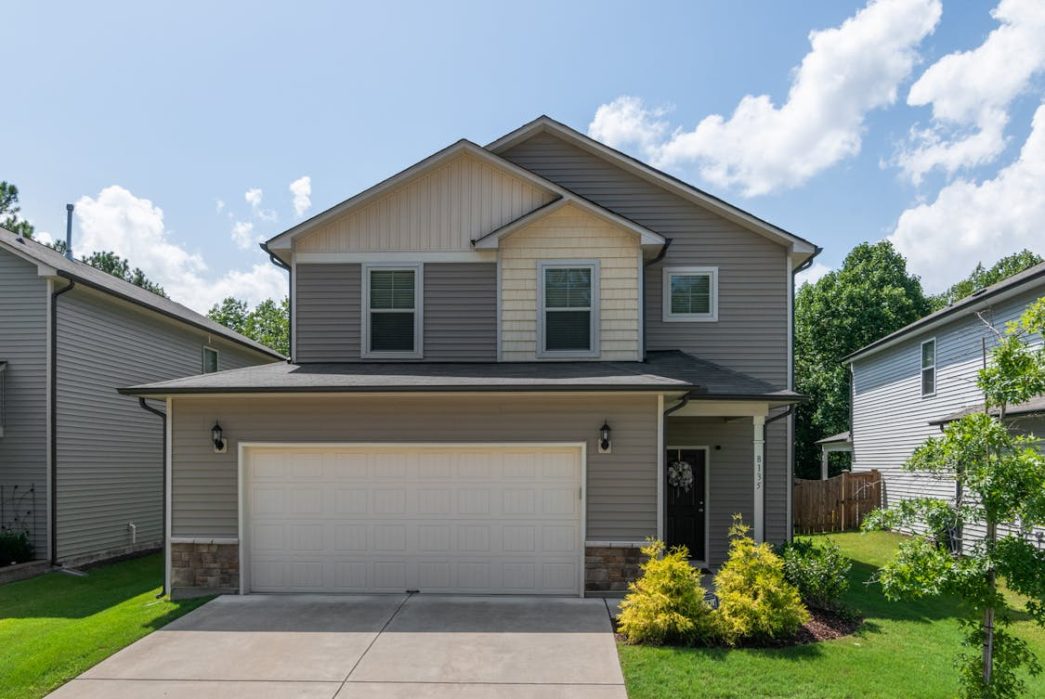
Choosing the right flooring for your garage isn’t just about aesthetics; it’s about durability, functionality, and how well it can withstand daily wear and tear.
With various options available on the market, it’s essential to understand which flooring materials stand the test of time. Let’s explore some popular types of garage flooring and analyze their longevity.
Concrete Flooring: The Classic Choice
Concrete is the go-to option for many garages. It’s the foundational material used in most residential garages and provides a solid, durable surface. Properly installed and maintained concrete floors can last for decades, making them a practical choice. 
Why Concrete Lasts
Concrete is incredibly tough, resistant to impacts, and can bear heavy loads without cracking. When sealed, it can also withstand moisture, chemicals, and oils, making it ideal for a garage environment. Regular maintenance, including resealing every few years, can significantly extend its lifespan.
Epoxy Coatings: A Durable Upgrade
Epoxy coatings provide an added layer of protection over concrete. They consist of a resin that bonds to the concrete surface, creating a hard, glossy finish. This type of flooring has gained popularity among homeowners looking for a combination of durability and style.
For added safety in busy garage environments, many people opt for slip‑resistant protective garage coatings that reduce the risk of accidents without compromising on looks.
Benefits of Epoxy
One of the most significant advantages of epoxy flooring is its resistance to stains and spills. It’s easy to clean and can handle the rigors of a garage environment. An epoxy floor can last anywhere from 10 to 20 years, depending on the quality of installation and maintenance.
Vinyl Flooring: Versatile and Resilient
Vinyl flooring has made its way into garages, thanks to its versatility and ease of installation. It comes in various colors and designs, allowing homeowners to customize their garage space.
Why Choose Vinyl?
Vinyl is not only aesthetically pleasing but also has a reputation for longevity. High-quality vinyl tiles can withstand heavy foot traffic and resist scratches and dents. When properly maintained, vinyl flooring can last between 10 to 25 years, making it a solid option for those looking for both durability and style.
Rubber Flooring: The Shock Absorber

Rubber flooring is another excellent choice for garages, especially for those who spend significant time working in the space. This material provides a cushioned surface, reducing fatigue for anyone standing for long periods.
Longevity of Rubber Flooring
Rubber is inherently durable and resistant to moisture and chemicals. It can last anywhere from 20 to 30 years, depending on the thickness and quality. Moreover, rubber flooring often comes in interlocking tiles, making installation straightforward and repair simple if a section gets damaged.
Polyaspartic Coatings: The Heavy-Duty Contender
A newer player in the garage flooring world, polyaspartic coatings offer many benefits similar to epoxy but with some significant advantages. This type of coating cures faster and is more resistant to UV rays, making it less likely to yellow over time.
The Lifespan of Polyaspartic Coatings
Polyaspartic coatings can last up to 20 years or more with proper care. They are known for their ability to withstand extreme temperatures and heavy impacts, making them ideal for garages that also serve as workshops.
Stained Concrete: A Stylish Alternative
Staining concrete is a decorative option that doesn’t compromise durability. This method involves applying a stain to the existing concrete surface, enhancing its appearance while maintaining its robust nature.
Durability of Stained Surfaces
Stained concrete can last just as long as traditional concrete, with proper sealing and maintenance. The life expectancy is typically around 20 years, offering homeowners a unique look without sacrificing longevity.
Tile Flooring: A Unique Choice
Tile flooring, specifically porcelain or ceramic tiles, can also be used in garages. While it’s less common, it provides a distinctive look and is easy to clean.
Durability of Tile Flooring
High-quality tiles can withstand heavy loads and resist scratches. When installed correctly, tile flooring can last 25 years or more. However, it’s essential to ensure proper installation, as cracking can occur if the foundation beneath isn’t stable.
Considerations When Choosing Garage Flooring
When selecting the best flooring for your garage, consider factors such as climate, intended use, and how often you will maintain the floor. A garage in a colder climate may require different materials than one in a warmer area.
Environmental Factors
Humidity and temperature fluctuations can affect the longevity of certain flooring types. For instance, vinyl and rubber may warp in extreme heat, while untreated concrete may crack in freezing conditions.
Usage Patterns
Think about how you use your garage. If it serves solely as a parking space, durability might be your top priority. Conversely, if it’s a workshop or recreational area, comfort and aesthetics might come into play.
Maintenance Tips for Longevity
Regardless of the flooring type, regular maintenance plays a vital role in extending its lifespan.
Cleaning and Care
Keeping your garage clean can prevent dirt and debris from causing damage. Sweep regularly, and consider using a gentle detergent for deeper cleaning when necessary. If you have an epoxy or polyaspartic coating, occasional resealing will keep it looking fresh and protect against wear.
Addressing Damage Promptly
Any signs of wear, such as cracks or peeling, should be addressed immediately. Ignoring these issues can lead to further damage and costly repairs down the line.
Cost Considerations
While long-lasting flooring options may come with a higher initial investment, they often save money in the long run due to reduced maintenance and replacement costs. Assess your budget and weigh the long-term benefits against upfront expenses.
Investment in Quality
Choosing high-quality materials will pay off in terms of durability and longevity. Avoiding cheaper options that may need frequent replacement can ultimately lead to savings.