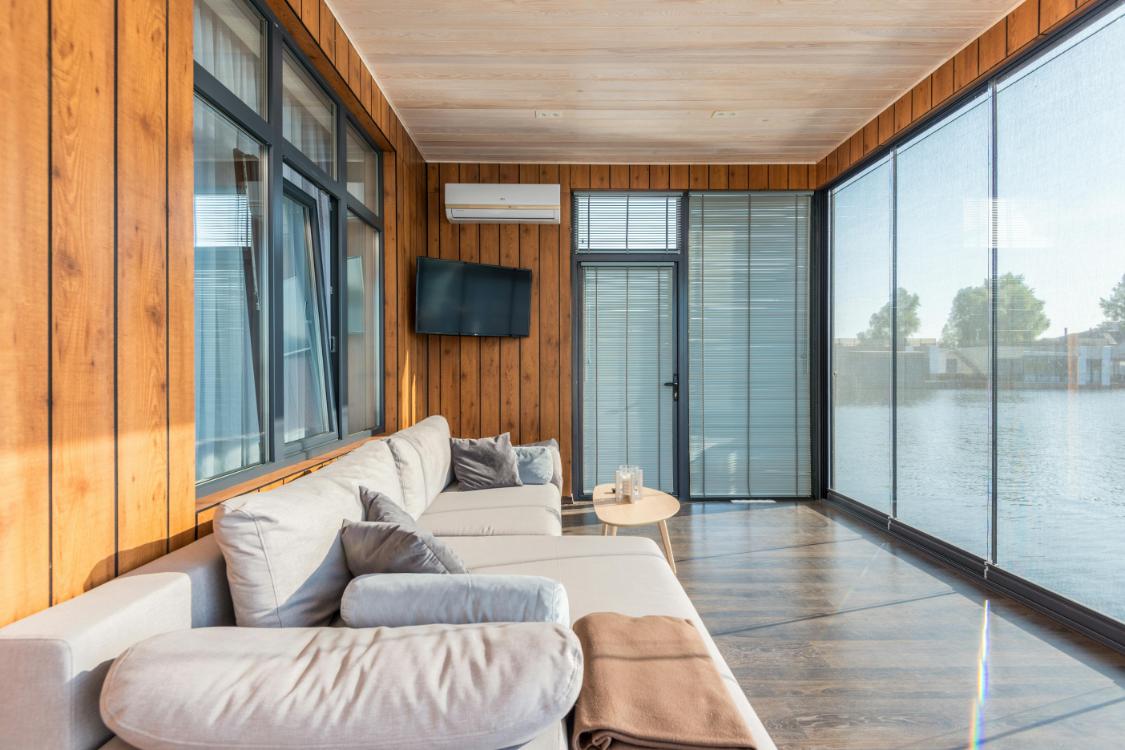

Minimalist homes prize clarity, space and thoughtful choices that strip away excess while keeping comfort. Timber products often show up in that context because they bring natural texture and a grounded feel that can make a room sing without shouting.
For anyone planning outdoor areas as well, it can be worth speaking with Mornington Decking & Timber services in Melbourne to find pieces that complement a clean, simple aesthetic.
Choosing timber is not a one size fits all matter since species, finish and form all shape how a piece lives and breathes in a small home. The following sections examine key angles so you can weigh timber against other options in an intelligent way. 
Natural Warmth And Simplicity
Timber has an innate warmth that helps bare rooms feel inviting rather than cold and sterile. Grain patterns and soft color shifts add visual interest while supporting the less is more idea that underpins minimal design.
A single timber table or a modest set of shelves can act as a calm focal point without cluttering the eye. Timber ages with personality, which often adds character rather than calling for replacement.
Durability And Longevity
A well chosen timber product can outlast trends and hold up under daily life when it is made and finished correctly. Hardwoods tend to resist dents and scratches better than softer woods, though repair work is often straightforward and can even contribute to a lived in look.
Proper joinery and balanced design reduce wobbles and lifetime headaches, so craftsmanship matters as much as species. With attention to care, a timber piece can be a long term ally in a minimalist setting.
Sustainability And Sourcing
Timber has a green side if it comes from managed forests and suppliers who follow clear standards for renewal and traceability. Reclaimed timber brings an extra layer of history and reduces demand for fresh harvest, which sits well with mindful consumption.
Look for evidence of responsible supply chains and think about how the piece fits into a reduced turnover lifestyle. Choosing timber that has a low transport footprint and clear origin is an easy step toward a more ethical interior.
Visual Minimalism
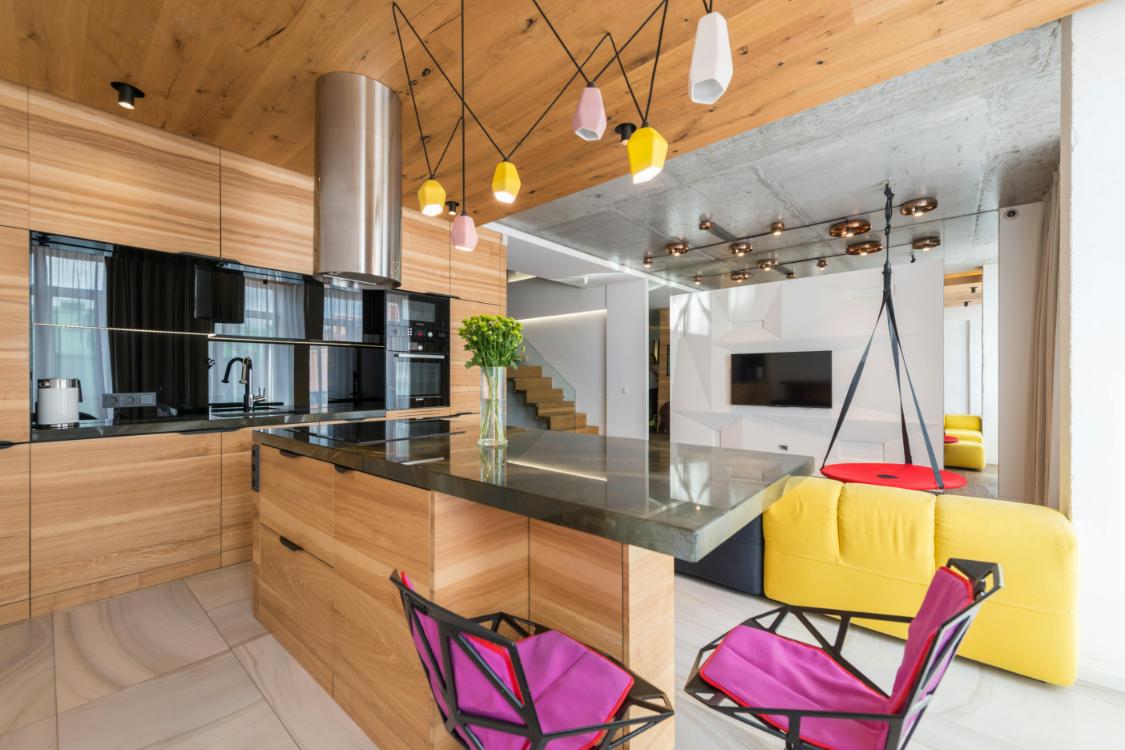
Clean lines and simple silhouettes let timber show off its material beauty without competing with busy patterns or heavy ornament. A pared back cabinet or platform bed made from timber can anchor a room while keeping sightlines open.
Color and texture variations in the wood supply a gentle contrast against plain walls and neutral textiles. That quiet interplay of form and grain often reads as calm and intentional rather than fussy.
Maintenance And Care
Timber requires routine attention but that process is not onerous for most people and can even be satisfying. Regular dusting and occasional oiling or a light polish keep surfaces looking fresh, and small marks can be sanded out where appropriate.
Moisture and heat extremes are the real foes, so placement away from radiators and direct sun will prolong life. The care tasks tend to be simple and align with a lifestyle that values quality over disposable goods.
Versatility In Use
Timber adapts to many roles in a minimalist home, from structural elements to furniture and small accessories. It can be left raw for a rustic yet calm feel or finished smooth for a more refined look that still retains warmth.
Joinery choices allow modular systems that expand or contract with your needs, which suits a pared back approach to ownership. A few timber items can perform multiple tasks and cut down on overall household possessions.
Cost And Value
Price ranges for timber products are broad, but looking past the sticker reveals different kinds of value that match minimalist aims. A pricier, well made piece that lasts and simplifies storage often costs less over time than a rotation of cheaper units.
Secondhand timber goods can offer excellent returns and the thrill of finding a solid piece at a fair price. Spending thoughtfully here often reduces clutter and buyer fatigue.
Compatibility With Other Materials
Timber pairs gracefully with plaster, stone, glass and metal, allowing a restrained palette that feels lively rather than monotone. Introduce polished steel fittings for contrast or linen textiles to soften edges, and the room reads as coherent rather than busy.
The trick is to keep restraint in the number of textures and colors so each material has breathing room. When timber plays well with others it helps achieve a calm, layered interior.
Health And Indoor Air Quality
Natural timber generally supports a healthier indoor scene compared with some synthetic materials that off gas volatile compounds. Choose items with water based finishes and avoid boards that are bonded with urea formaldehyde adhesives if indoor air concerns are a priority.
Natural finishes and solid construction reduce the risk of hidden chemical loads. A home that breathes easier often feels better to inhabit, both physically and emotionally.
Light And Space Perception
Timber influences perception of space through tone and reflectivity, helping small rooms feel cozier without closing them in. Lighter wood finishes bounce light and expand visual depth, while darker tones can create a snug nook where privacy and calm are desired.
Strategic placement of timber furniture can guide movement and sightlines so the space reads as larger than it is. The balance between surface color and room scale is an easy lever to pull when arranging a compact home.
Tips For Choosing Timber Products
Start by measuring the room and thinking about circulation so any timber piece does work rather than simply looks pretty. Prioritize multifunctional shapes and simpler finishes that will age gracefully and not scream for attention.
Ask about sourcing and finish at purchase and test how surfaces respond to fingerprints and spills if you expect heavy use. Small, well chosen timber items can change the feel of a home from cold to comfortable while keeping the visual language spare and coherent.