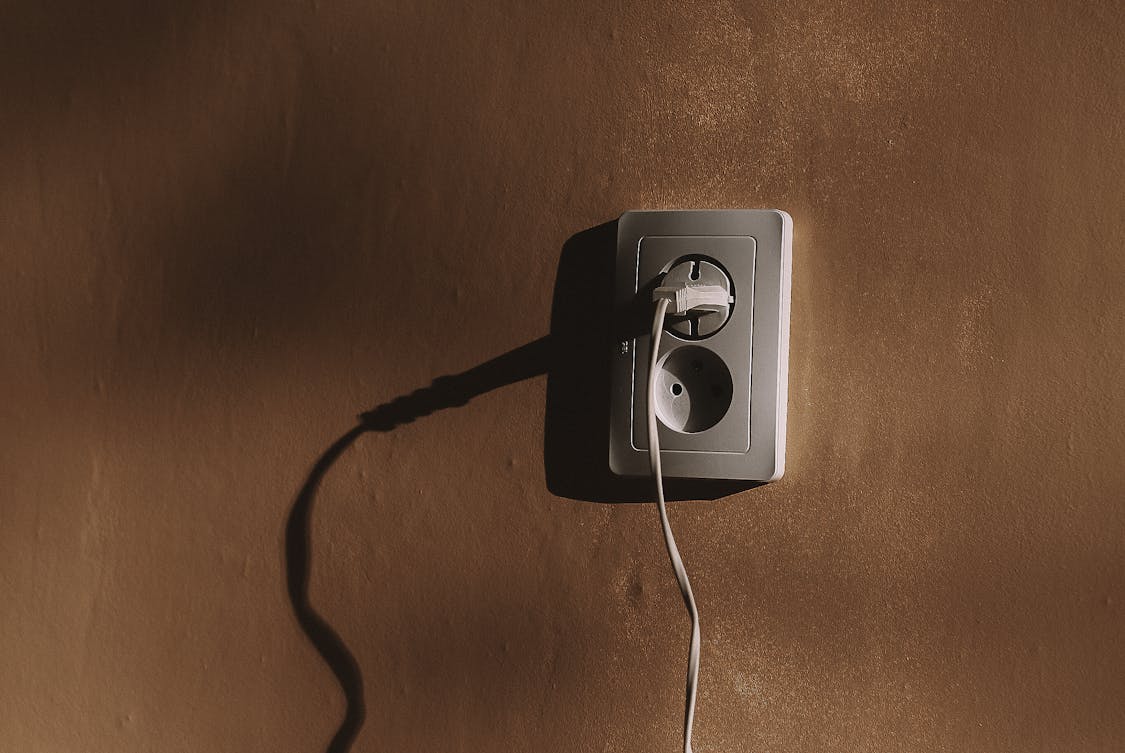
Homes hide electrical faults in plain sight and behind walls, and spotting those hazards early can spare a lot of grief. A few simple checks will reveal many trouble spots before they become emergencies.
Adopting a calm, methodical approach helps you weigh what you can handle yourself and what needs a licensed electrician. Better safe than sorry applies when live wires, brittle insulation, or corroded connections show up on your radar.
Recognize Visual Warning Signs
Look around switches, outlets, and fixture bases for discoloration and tiny scorch marks that suggest heat has been present. Melted plastic or dark streaks on a faceplate speak to intermittent arcing or overloads that deserve prompt attention. 
A faint burnt odor near a device is a quieter alarm than a blown fuse yet often the first hint that wiring is being pushed beyond what it can handle. Visual clues are often subtle so train your eye and trust small changes in color or sheen.
If you’re unsure whether what you’re seeing is a code concern, a quick glance at a guide to Victorian electrical safety regulations can clarify what warrants a call to a professional.
Peel back access panels and inspect behind cover plates when safe to do so and when power is shut off at the breaker. Exposed conductors, frayed insulation, and loose screws inside junction boxes are all signs that wiring has been stressed or modified over time.
Missing clamp fittings where cables enter a box invite chafing as the building moves and seasons change. If you spot fabric wrapped wiring or brittle insulation, treat the discovery as a priority rather than a curiosity.
Inspect Outlets And Receptacles
Gently wiggle plugs after inserting them to see if the socket grips firmly or allows movement that hints at worn contacts. Outlets that wobble, spark, or give off warmth during normal use point to loose connections or internal damage that increase fire risk.
Grounded three prong outlets offer a layer of safety when the ground is intact so verify the third pin is present and the receptacle is securely mounted. Ground fault circuit interrupter devices in kitchens and baths protect users from severe shocks so test the built in buttons periodically to confirm functionality.
Look for signs that outlets have been altered over time such as paint filled into slots or tamper resistant inserts that are broken off. Burn rings or fused plastic around a slot may mean a previous failure that reduced resistance and left residue that can ignite later on.
Adapters that convert two prong outlets to three prong without a ground are a band aid that masks a real wiring gap. If plugs only fit loosely in your socket you are dealing with wear that invites arcing and a fire starter.
Evaluate Wiring And Cable Condition
Older wiring types like cloth insulated cable and early aluminum conductors tend to age in ways that demand a closer look because insulation becomes brittle and connectors loosen. Modern polymer insulated wires fare better but they too can suffer from heat damage or improper repairs that shrink their safety margin.
Look in basements and attics for runs of wire that have been stapled too tightly to framing or passed over sharp edges as stress points accelerate wear. When insulation fails the bare conductor can contact metal framing or a staple and spark a short in the blink of an eye.
Open junction boxes that are hidden behind drywall during renovations sometimes reveal taped or twisted splices that are not enclosed or protected by proper connectors. A junction should house wire nuts or approved splicing devices with enough room for the bundle not jammed like spare change in a pocket.
Black electrical tape wrapped around a joint is often a quick fix that hides a problem rather than mends it and is a sign someone improvised rather than repaired. If you find an amateur splice imagine how it will behave on a humid summer night when resistance climbs and heat builds.
Check The Service Panel And Circuit Breakers
A service panel that shows rust, water stains, or burn marks around breaker connections merits immediate investigation because moisture and heat both accelerate failure. Breakers that trip repeatedly or that will not reset after a trip are doing their job in one case and in the other might be damaged or mismatched to the wiring they protect.
Panels with unlabeled circuits leave you guessing which breaker controls what and that complicates safe troubleshooting when a device trips. A clean, dry, and clearly labeled panel is a small investment that buys peace of mind and faster recovery from faults.
Look for signs of double tapped breakers where two conductors share a single breaker lug that was never intended for that use. Loose lugs, missing knockout grommets, and wires that have been added haphazardly are red flags for incorrect upgrades done over time.
Overfused circuits where a higher amp fuse has been placed on undersized wire present a straightforward hazard because the fuse will not blow before the conductor overheats. If the panel cover smells faintly of ozone or burnt plastic it is time to call a licensed technician to block and test power until repairs are made.
Assess Appliances And Power Cords
Appliances draw sizable current and their cords suffer wear from frequent movement, pinching, and aging, so inspect the entire length of each cord for splits, exposed strands, or soft spots. A cord that feels hot to the touch during normal operation is a symptom not a quirk and points to internal shorting or poor contact at the plug.
Loose or misshapen plugs that wobble in the wall take a grip away from the receptacle and can spark when a load changes. Appliance motors that hum loudly or smell like burning warrant stopping use immediately until the device is examined.
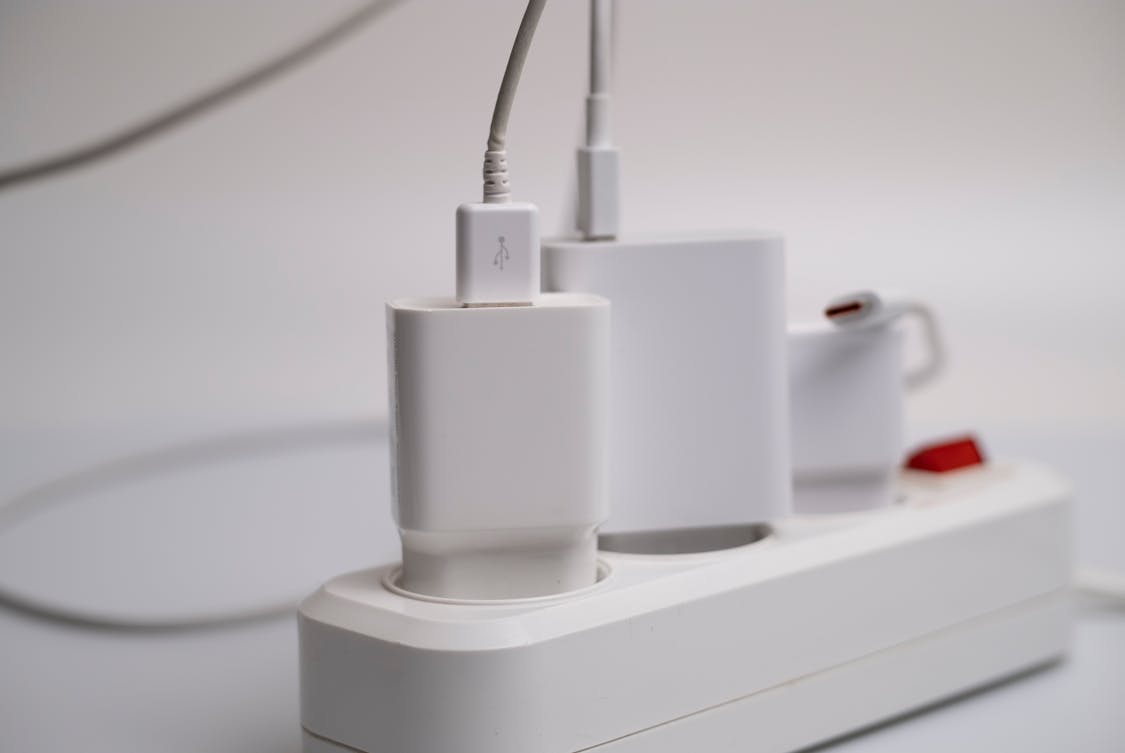
Extension cords and power strips used as a permanent solution for more outlets are a common trap that invites overload and overload invites fire. Cramming multiple high draw appliances onto a single strip or plugging a strip into another strip creates a chain that was never meant to run a kitchen or home office.
Replace frayed cords, do not tape them back together, and avoid running them under rugs where heat and abrasion are hidden. If you need more permanent circuits add an outlet properly rather than living with a stopgap that could bite you when usage rises.
Watch For Moisture Rodent And Environmental Threats
Water and electricity do not mix and moisture near wiring, outlets, or the main panel accelerates corrosion and invites short circuits that can spark. Basements, crawl spaces, and areas around leaky windows are common points where dampness contacts wiring and causes trouble that may not be evident until a device trips.
Outdoor fixtures that show greenish corrosion or sockets that retain rainwater are a hazard when next used. Kitchens and baths need GFCI protection precisely because a small fault can become lethal in a wet environment.
Rodents like mice and squirrels chew on insulation and create nests in attics and behind walls leaving a trail of damage that may short a circuit long after the animal has moved on. Insects and nests in lighting fixtures or junction boxes compound heat buildup and increase the chance of ignition.
Heat build up in closets, behind large furniture, or inside utility rooms with poor ventilation can also stress insulation and connections over time. Treat signs of pests and persistent dampness as part of the electrical inspection rather than separate housekeeping chores because they affect the wiring directly and quickly.