


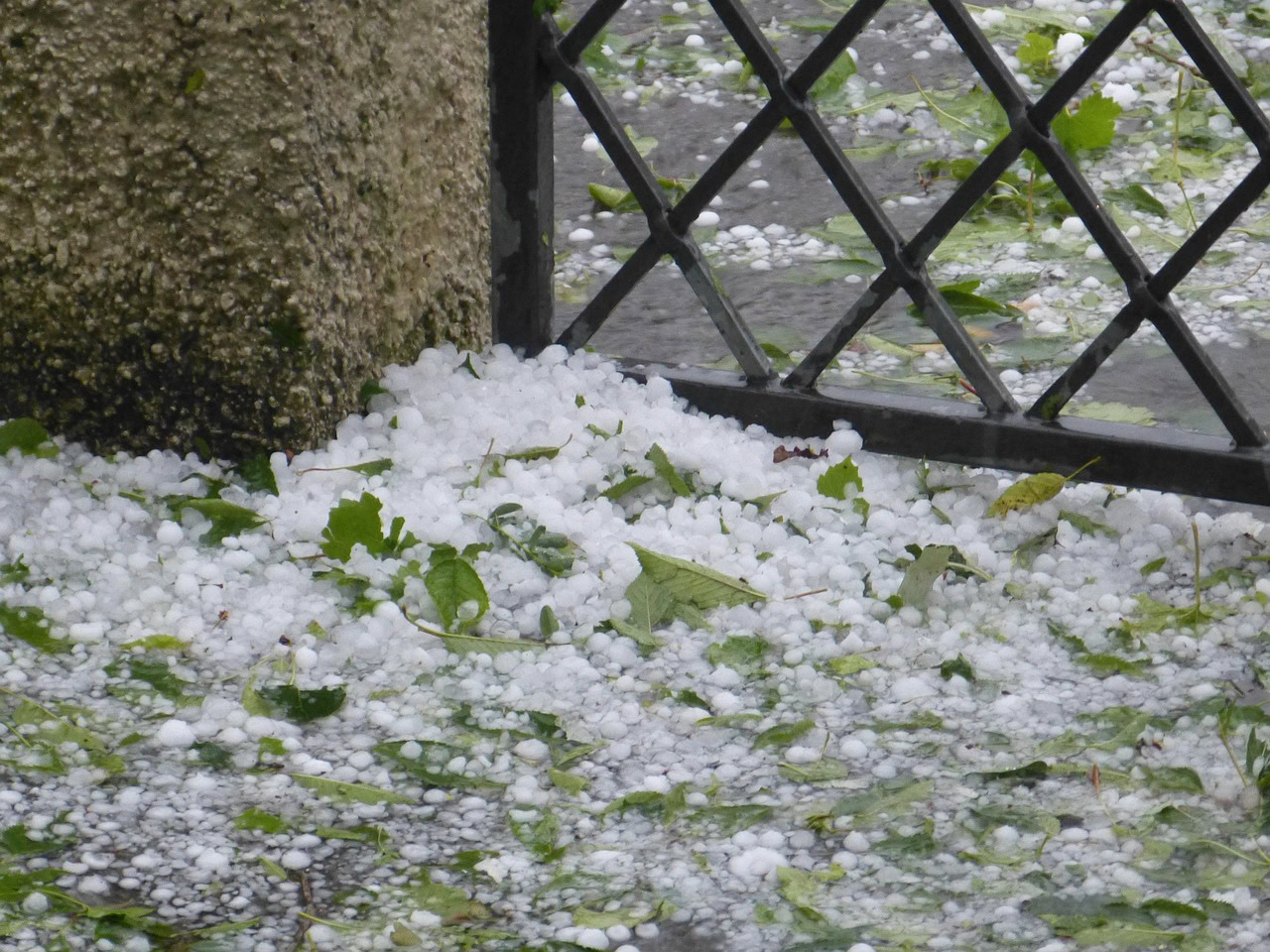
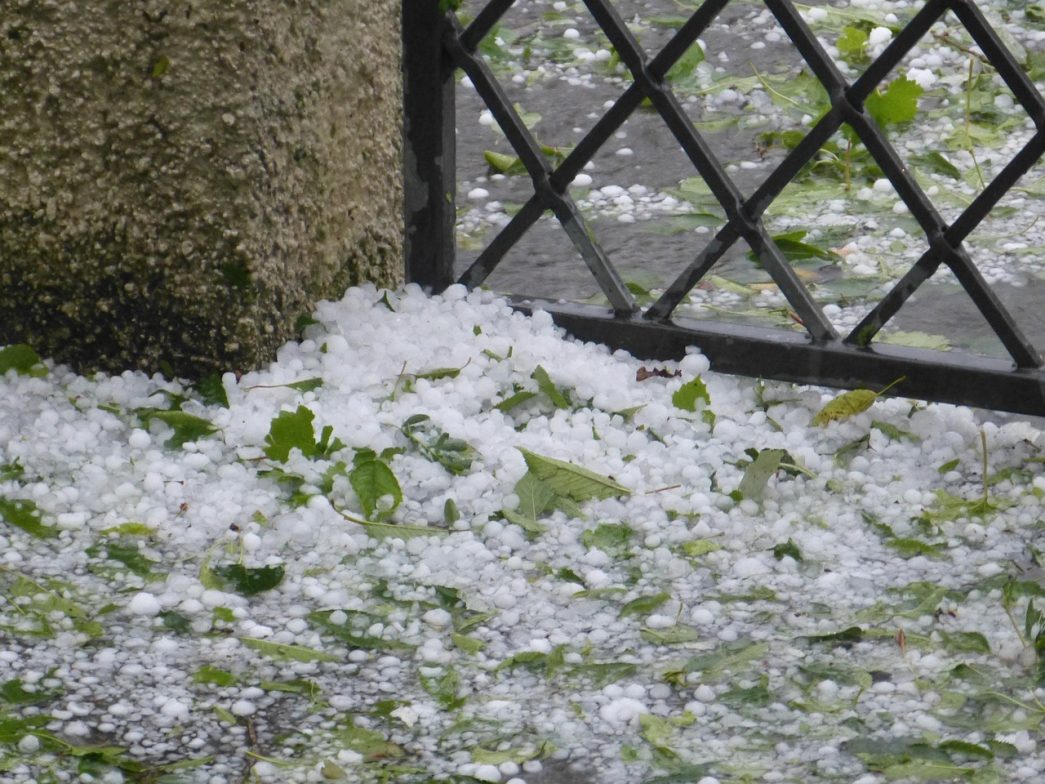
Search interest in roofing services can move in bursts because leaks and storm damage create urgent, event-driven demand rather than a perfectly even flow throughout the year.
Home-services keyword research supports that broader pattern. It does not necessarily prove that the exact phrase ‘roofer near me’ follows the same percentage change in every Central Texas storm.
For Austin-area homeowners, the practical implication is that contractor searches become more competitive immediately after localized hail or wind events. 
The pattern isn’t unique to roofing, but roofing shows it more sharply than most other home-service categories. A clogged drain or a broken water heater generates steady, evenly distributed demand throughout the year. A hailstorm generates almost none of that demand one week, then an overwhelming amount of it the next, concentrated in the exact ZIP codes the storm passed over.
What Keyword Data Shows About Storm-Driven Roofing Demand
A February 2026 analysis of home-services search terms, built on Ahrefs Keywords Explorer data and syndicated through Stacker to local newsrooms, quantified how sharply storm-related roofing searches move compared to routine terms. Phrases tied directly to urgency and damage behave differently than general roofing keywords.
The analysis found that “emergency roof repair” and “roof leak repair” show +70% and +69% variance respectively compared to baseline search volume, driven by seasonal storm activity.
The national seasonal pattern will not map perfectly onto Austin’s spring and early-summer storm calendar, but the mechanism is similar: weather events can create sharp, temporary increases in roofing-related searches.
The analysis also drew a distinction that matters for homeowners searching in the moment. General seasonal variance is one thing. An isolated, storm-triggered spike in a single metro area compresses that same search behavior into a much narrower window, often just 48 to 72 hours.
That kind of keyword-level data is fairly new to home-services research. Search platforms have long offered anecdotal or self-reported figures from marketing agencies, but tying specific percentage swings to specific terms, using a consistent methodology across a full year, gives a clearer picture of how sharply demand actually moves compared to how it’s usually described.
Why the Search Window Closes Faster Than the Repair Window

Search demand can rise faster than actual repair capacity because many households begin looking at once while inspections, claims, material orders, and crew schedules take longer to resolve.
That timing mismatch creates a real problem for homeowners. The moment they start searching is also the moment every other affected household in the neighborhood starts searching, which means the contractors ranking at the top of local results are often the ones with the most existing marketing infrastructure, not necessarily the most local or most experienced — though you wouldn’t know that from the ad copy.
Some out-of-area companies may also advertise aggressively after storms. Homeowners should not treat paid placement or temporary search visibility as proof of local history.
That distinction is one of the few signals available to a homeowner scrolling through search results three days after a hailstorm, when everyone claims to be available immediately.
Insurance timelines add another wrinkle. An adjuster visit can take days or weeks to schedule, which means many homeowners are searching for a contractor to inspect damage well before a claim is finalized. That earlier search activity, disconnected from any confirmed repair budget, is part of what makes the initial post-storm spike so much larger than the eventual volume of signed contracts.
How Central Texas Storms Can Create Localized Search Surges
Central Texas doesn’t have a single storm season the way hurricane-prone coastal regions do. Instead, the region tends to see clusters of severe hail and wind events concentrated in spring, with additional activity possible into early summer. The search-spike pattern documented nationally ends up repeating multiple times within a single year locally.
A localized hail event can create the same kind of concentrated search behavior described in the broader keyword data, but the size of any individual Austin-area spike would need local search data to quantify.
That fragmentation matters for how homeowners actually experience the search process. A resident in a hail-affected pocket of Round Rock might be competing for contractor attention with dozens of nearby households. A few miles away, it looks normal.
The recurring pattern is therefore storm-by-storm demand, not a single annual ‘roofer near me’ event with a fixed size.
Homeowners searching immediately after a storm are seeing a market under temporary pressure. That makes independent verification of local history and credentials more important, not less. A search for roofers in Austin can surface a mix of local firms, ads, and out-of-area operators, which is why the result itself should never substitute for verification.


