Scars are a normal part of healing when skin or tissue has been injured, and many people want to know how much of a mark can be faded or erased. Medical professionals and cosmetic specialists use a range of tools and approaches, and their views offer a helpful sense of what the realistic outcomes might be.
Some scars respond well to treatments while others hold onto shape and color, so expectations matter as much as the chosen method. For those seeking noticeable improvement, consulting a provider who offers scar removal treatment can provide a tailored plan that targets your specific scar type.
How Scars Form
When skin is injured the body mounts a rapid repair program that replaces damaged tissue with a fibrous patch that we call scar tissue. That tissue is not an exact replica of what was there before and it can vary in color, texture and thickness depending on the depth of the wound and the local blood supply. 
Genetic factors and the presence of infection or movement at the wound site during healing can nudge the process toward a more raised or wider result. In short, scars are the byproduct of repair, and knowing how they form helps explain why some fade with time and others remain prominent.
Types Of Scars
There are broad categories of scars that clinicians use to guide treatment choices, and each type behaves differently under intervention. Atrophic scars sit below the normal skin surface and are common after acne or chickenpox, while hypertrophic scars and keloids rise above surrounding skin and can keep growing beyond the original injury site.
Stretch marks are a different subtype tied to sudden skin stretching and hormone shifts and they often display a striped pattern. Choosing an appropriate plan starts with classifying the scar, because the same therapy will not work equally for every kind.
Topical Treatments And Creams
Topical agents remain a first step for many people, since they are accessible and carry low risk when used correctly.
Silicone gels and sheets have the strongest track record for helping raised scars flatten and soften over several weeks to months, and certain prescription creams that reduce inflammation can assist in early stages of healing.
Over the counter vitamin A and C derivatives, plus sun protection, can help with color and texture but their effects tend to be modest for deep or old scars. Expect gradual improvements rather than dramatic erasure when using creams alone, and ask a clinician about realistic timelines.
Minimally Invasive Procedures
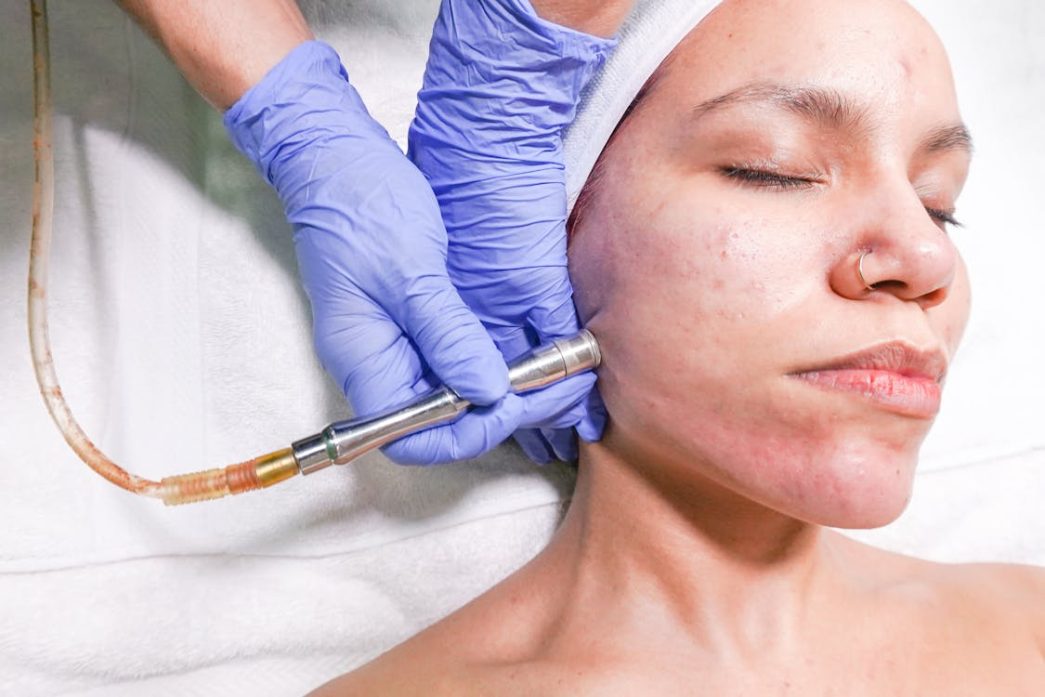
Procedures such as microneedling and chemical peels work by stimulating controlled repair and encouraging collagen remodeling, which can improve surface irregularities without major downtime.
Microneedling creates tiny punctures that prompt fresh collagen formation and may lift shallow pits, while medium depth peels remove layers of skin to reveal newer tissue with smoother tone.
Results often require a series of sessions spaced over weeks and are influenced by skin type and scar age. These options are often presented as part of a combined plan, rather than a single cure, and they tend to yield steady rather than instant gains.
Laser Therapy And Light Based Methods

Lasers offer a powerful set of tools that target pigment, blood vessels or tissue architecture, and careful selection of wavelength and intensity is key to success.
Fractional lasers create microscopic injury zones that promote remodeling while leaving surrounding tissue to speed recovery, whereas vascular lasers can reduce redness that makes scars stand out.
Skilled practitioners tailor settings to skin tone and scar characteristics to avoid unwanted pigment shifts, and multiple treatments are usually needed for meaningful change.
Laser therapy can produce dramatic improvements for many types of scars but it is not a universal eraser and carries risks that should be weighed.
Surgical Options And Steroid Injections
Surgery is an option when the scar causes functional limits, pulls at nearby tissue or is wide and unresponsive to other measures, and the goal is often to reposition, narrow or release tension on the scar.
Techniques range from simple excision and refined closure to more complex flap or graft work, and a skilled surgeon can produce a finer, less noticeable line at the cost of another healing period.
Steroid injections can flatten thick scars and keloids by reducing inflammation and collagen overgrowth, and they are commonly used in combination with other treatments to improve contour.
Both surgery and injections carry trade offs, so patients and clinicians weigh scar type, location and personal priorities when planning steps.
What Experts Emphasize About Expectations
Clinicians and researchers stress that realistic goals and clear communication shape satisfaction more than any single technology or product.
Many specialists tell patients that fading and softening are more likely outcomes than complete removal, and that long term follow up often yields the best results when therapies are layered.
Timing matters because younger scars are more receptive to treatment while very old scars can be stubborn and need more aggressive plans. In practice the best results come from a partnership where clinician expertise meets patient patience and a willingness to try staged approaches.
Prevention And Aftercare
How a wound is cared for in the early days sets the stage for future appearance and is often overlooked by people focused on the outcome rather than the process.
Gentle cleansing, avoiding tension on stitches, protecting healing skin from sun exposure and following a provider s directions on topical agents reduce the risk of an unsightly result.
When scars begin to form early intervention with appropriate measures can steer healing toward a flatter, paler mark that is easier to treat later if needed. A steady, thoughtful approach to care and follow up tends to pay off in fewer surprises as the months pass.