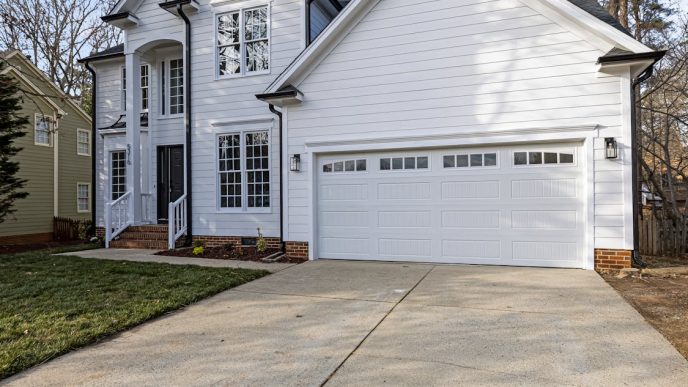

A well chosen set of plants can change the way a passerby views your property in a heartbeat. Start with a clear look at what the front yard already offers from sun to shade and from soil depth to the path people use most.
Small, smart choices often produce a strong visual payoff so pick species that fit the place and your pace of life. With basic planning you will cut fuss and keep the entry looking fresh through many seasons.
Assess Your Home And Site
Walk the perimeter and note where sun gathers and where shade rules, and do a quick soil feel with a trowel to check texture and drainage. Take mental notes on distances to the curb the driveway and the front door so plant heights do not steal the show or vanish into the background. 
Factor in wind patterns and where splashes from gutters or irrigation might reach, since a plant can thrive in one spot and struggle in another. A clear map in your head will save trips to the nursery and a few headaches down the road.
Pick Plants That Match Your Home Style
Match plant shapes and color families to the architectural lines and materials of the house, so the plants look like part of the design rather than a random add on. A cottage style home does well with soft edges layered with many small flowers while a modern build calls for bold forms and simpler palettes that echo its geometry.
Think in terms of visual rhythm so that the porch and walkways speak the same visual language as the siding or brick. The right choices can make the whole property feel integrated and intentional.
Think About Scale And Proportion
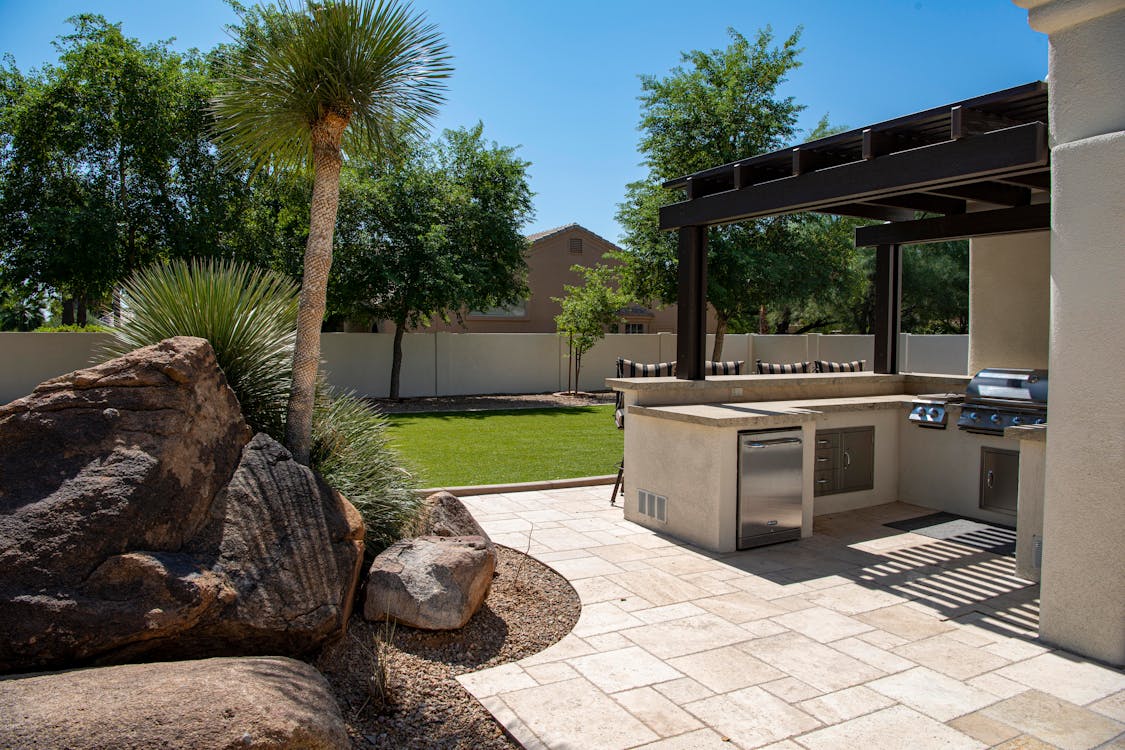
Begin with the big picture then narrow to the details, placing larger shrubs at the corners of the house to anchor the view and smaller plants near windows and steps. If a yard is compact choose tighter growing varieties so sight lines remain open and the entryway feels welcoming rather than crowded.
Keep the mature size in mind and resist the urge to buy a juvenile specimen without a plan for where it will be in five years. Balance is the goal so that each element supports the whole and nothing looks out of place.
Choose Low Care Options For Easy Upkeep
If time is tight select hardier varieties that tolerate the local climate and common pests with little fuss, so weekend chores do not become a second job. Native selections often fit the bill because they evolved for the local season set and tend to need less water and fewer special treatments.
Group plants with similar needs together to cut back on extra watering and avoid constant reworking of beds. A few sturdy mains with a couple of seasonal accents can give long lasting charm without constant tending.
Use Focal Points And Repetition
Place a strong element like a specimen tree or a sculptural shrub near the entrance to give the eye a place to land and to make the approach feel intentional. Repeat a few key plants or colors down a path or along a bed to tie separate areas together and create a sense of flow.
Many backyard upgrades for San Diego homes focus on creating this kind of visual continuity between front and rear outdoor spaces. Small groupings of three or five plants often look more natural than straight single lines and help mask any mismatches.
A well chosen focal point and thoughtful echoes can turn ordinary front grounds into something that makes people stop and look.
Plan For Seasonal Interest
Aim for a sequence of highlights from early spring bulbs through summer bloom and fall foliage so the front of the house earns compliments at many different times of year. Include plants with strong winter form such as textured stems or interesting bark so the scene does not go blank when leaves fall.
Stagger bloom times and leaf color so one bed hands off visual attention to another bed across months. A yard that offers surprises across seasons rewards both the owner and anyone passing by.
Mind Light Soil And Water Needs
Match plants to the reality of each planting spot, placing thirsty varieties where irrigation reaches and drought tolerant types where water is limited or soil is rocky. Test drainage by digging a small hole and filling it with water to see how long it takes to drain, and alter the choice of plant if puddles linger.
Pay attention to soil acidity and amend sparingly when needed so that a plant can set strong roots and get on with growing. Grouping by need reduces wasteful effort and helps each plant live up to its potential.
Buy Healthy Plants And Plant Them Right
Select stock that shows vigorous growth not signs of stress like limp leaves or crowded roots, and check the root ball at the nursery when you can to avoid pot bound specimens. Plant at the correct depth leaving the crown at soil level and backfill gently while firming the soil to remove large air pockets that can dry roots out.
Mulch to conserve moisture and to cut weed pressure but keep the mulch away from touching stems so rot is not encouraged. A solid first season of care will pay dividends as plants mature and begin to define the curb side view.