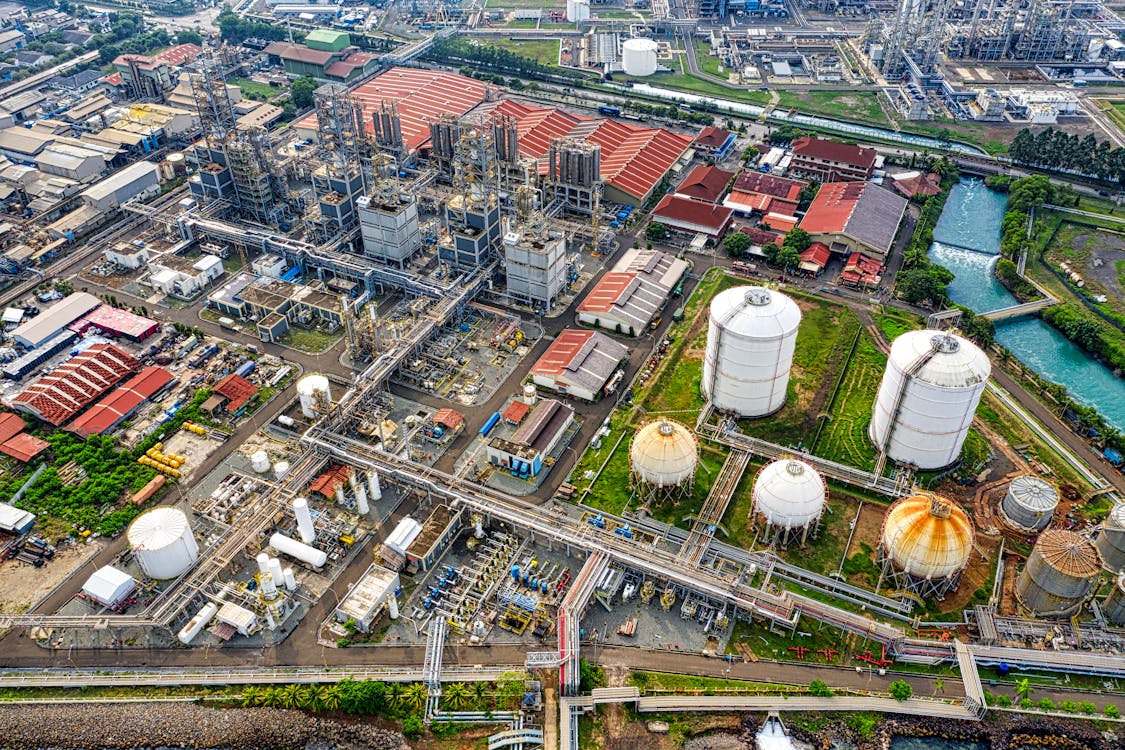
Choosing the proper oil storage tank is a task that blends practical judgment with a touch of common sense. Your choice affects safety, costs, and the smooth running of equipment that depends on stored fuel.
Small missteps can lead to headaches down the road, so a measured approach pays dividends. The aim here is to outline clear points that help you move from question to confident choice.
Types Of Oil Storage Tanks
Oil storage tank options range from simple above ground vessels to buried tanks that sit out of sight. Above ground tanks are easier to inspect and repair while underground tanks save yard space and can be less visible. 
Stationary tanks are common for homes and small businesses while large cylindrical tanks serve industrial needs. Pick the style that fits site limits and your tolerance for maintenance work.
Tank Material And Construction
Steel tanks remain a workhorse thanks to strength and broad availability, with variations that resist corrosion. Fiberglass tanks resist rust and can last a long time in wet conditions, yet they need compatible fittings and care.
Weld quality and seam treatments matter because leaks often start at joints rather than flat faces. Ask about manufacturing standards and test records when comparing brands.
Capacity And Sizing Strategy
Match tank size to consumption rate and refill frequency so supply stays steady without wasting space. A little breathing room above average use helps on busy weeks while a larger reserve can make deliveries less frequent and often cheaper.
Estimate peak demand and factor in emergency needs to avoid sudden shortages. Keep in mind storage rules for maximum allowed volumes if local rules apply.
Site Location And Accessibility
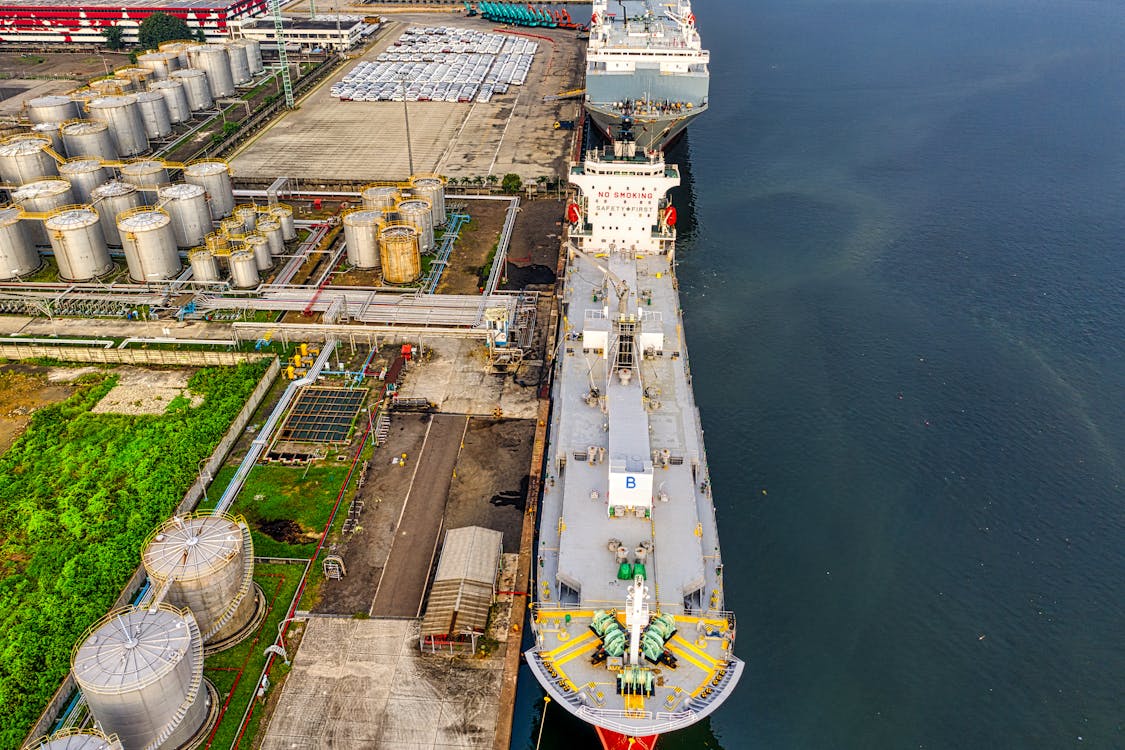
Place an oil storage tank where deliveries can be carried out safely and where personnel can reach it for checks. Avoid low areas that collect water and spots that could be damaged by vehicles or equipment.
Good placement reduces the odds of accidental impact and helps with routine inspection work. Leave room around the tank for plumbing, valves and any containment that might be required.
Regulatory And Safety Requirements
Local codes and fuel handling rules set the frame for what type of tank and installation are acceptable. Permits, setbacks from property lines and fire department rules can shape what is possible on a site.
Safety signage and grounding are often mandatory and help reduce risk when fuel is moved or transferred. Always check local authorities early so surprises do not derail a project.
Secondary Containment And Spill Control
Adding secondary containment is a way to guard against leaks and gives peace of mind in tight spots. Containment can be a simple bund around the base or a full concrete pad with drainage controls.
Designs that channel any escaped oil into a recovery point make cleanup more straightforward. Think of containment as an insurance policy for the site environment.
Compatibility With Fuel Types
Not all tanks play well with every petroleum product because additives and sulfur content can attack materials. Diesel tends to be less aggressive than some heating oils but microbial growth in stored fuel requires attention.
Ethylene Storage Tanks require compatibility with materials that can handle high pressures and chemical exposure, which is key to maintaining the integrity of storage systems.
Seal types, piping and filter placements must match the fuel to avoid premature wear. Confirm compatibility with suppliers and tank makers before purchase.
Temperature And Environmental Effects
Temperature swings influence tank breathing and the buildup of water and sediment, which change fuel quality over time. Insulation, heating options or placing a tank in a sheltered spot can keep conditions more stable when extremes are expected.
Venting systems reduce pressure changes but must be sited to avoid vapour hazards. Plan for seasonal shifts so stored fuel remains usable on demand.
Monitoring And Instrumentation
A tank that hides its level is a gamble while a tank with gauges, sensors and alarms gives certainty. Mechanical gauges provide simplicity and low cost while electronic monitors offer remote reads and trend data.
Set alarms for high and low levels to avoid overfilling and running dry, and think about integration with other site systems for smooth operation. Regular calibration keeps readings accurate and trustworthy.
Maintenance And Inspection Routines
Routine checks catch small faults before they become costly and help extend the working life of a tank. Inspect seams, fittings and any secondary containment on a schedule that fits usage and local rules.
Cleaning out sediment and draining water from sumps is part of good housekeeping that keeps fuel clean. Simple logs of inspection dates and findings make it easier to spot patterns that herald trouble.
Cost And Lifecycle Considerations
Upfront price is only one slice of the total cost picture because maintenance and replacement add up over time. A slightly higher initial investment in a tougher material or better coatings can pay off when long service life and low repair needs follow.
Compare warranties and ask about typical lifespan under local conditions to form realistic expectations. Think in terms of years rather than months when judging what is worth the spend.
Installation And Service Support
How a tank is installed affects performance and safety just as much as its design does. Professional installers familiar with local rules reduce the odds of mistakes and often provide aftercare service that keeps things running.
Check for training options and service contracts that match the level of support you prefer. A supplier that stands behind its work makes life easier when issues crop up.