

A quiet transformation is underway in how Ontario homeowners approach air conditioning, and it started with winter heating, not summer cooling.
As the province’s aggressive push toward heat pump adoption reshapes HVAC infrastructure across communities like London, St. Thomas, and Kitchener, contractors are discovering an unintended consequence: the same systems being sold for cold-weather efficiency are fundamentally changing expectations around what cooling should cost and how it should perform.
According to recent data from Durham Post, heat pumps are no longer a niche upgrade in Ontario — they’re becoming the preferred choice for energy-conscious households, with adoption rates climbing sharply in 2026. These systems move heat rather than generate it, drawing warmth from outdoor air in winter and reversing the process in summer. For homeowners who installed heat pumps primarily for heating, the cooling performance has been a revelation. 
This shift matters because it’s creating a two-tier cooling market. Traditional central air systems are increasingly viewed as outdated single-purpose equipment, while heat pumps offer year-round climate control with lower operating costs. For families trying to keep your home cool this summer, the choice is no longer just about brands or SEER ratings — it’s about whether to invest in a system that only cools or one that handles both heating and cooling more efficiently than separate units ever could.
The Ontario government’s rebate programs have accelerated this transition. Incentives now offset much of the upfront cost difference between traditional AC units and cold-climate heat pumps, making the economic case for dual-purpose systems far more compelling. Homeowners in London and surrounding areas who might have defaulted to conventional air conditioners five years ago are now asking HVAC contractors about heat pump options first. That shift in the initial conversation is changing everything downstream.
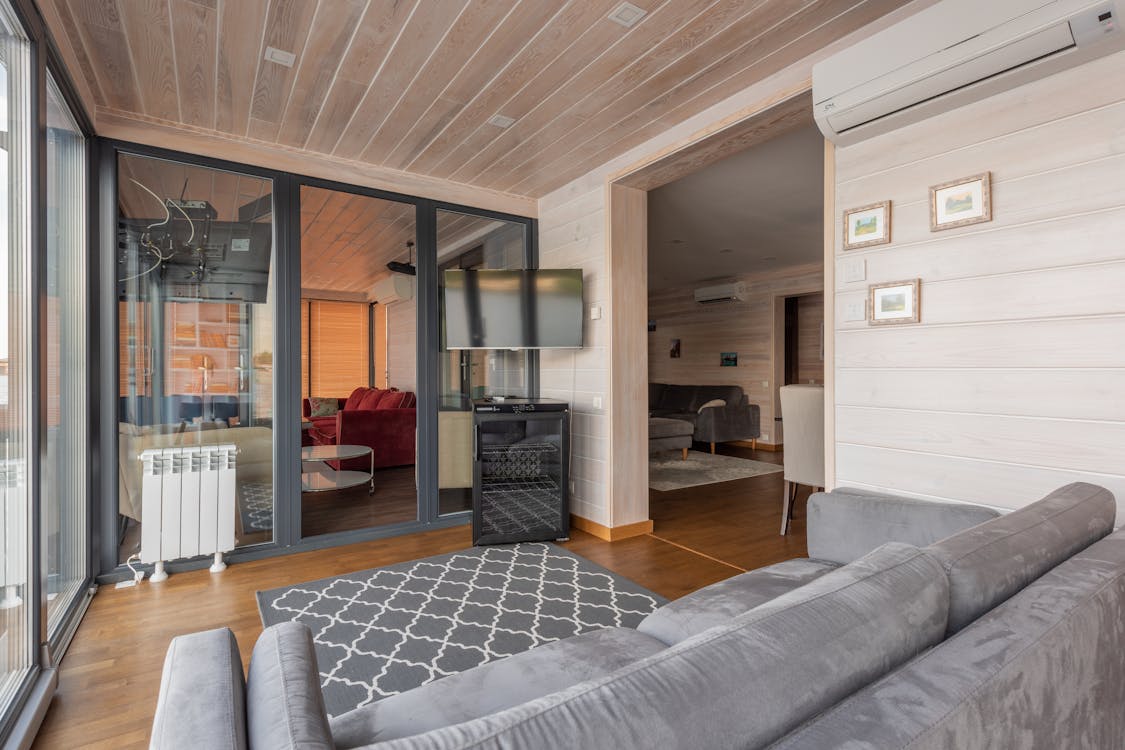
What makes this trend particularly significant is the timing. Summer 2026 is shaping up to be a stress test for cooling systems across southern Ontario, with early-season heat waves already prompting HVAC service calls. Contractors report that older AC units are struggling under increased demand, while newer heat pump installations are handling the load with noticeably lower energy draw. The performance gap is measurable, and word is spreading quickly through neighborhood conversations and social media.
For contractors, the transition isn’t seamless. Heat pump installations require different ductwork considerations, electrical service upgrades, and more precise sizing calculations than traditional air conditioners. Training technicians to handle these systems properly has become a competitive necessity. Companies that were slow to adopt heat pump expertise are now playing catch-up as customer demand shifts decisively in that direction.
The broader implication is that Ontario’s cooling infrastructure is being upgraded by policy designed for heating efficiency. That’s not how anyone planned it, but the result is a faster modernization of residential HVAC systems than market forces alone would have delivered. Homeowners who replaced furnaces with heat pumps are discovering their summer cooling bills dropped alongside their winter heating costs — a compounding benefit that reinforces the initial investment decision.
This isn’t theoretical. Actual utility data from homes that switched from traditional furnace-plus-AC setups to integrated heat pump systems show double-digit percentage reductions in annual energy costs, with the summer months contributing significantly to those savings. For a province where air conditioning was once treated as a luxury and now feels essential, that economic advantage is driving real behavior change in how people think about climate control.
The heat pump transition is also reshaping the replacement cycle for existing equipment. Homeowners with aging furnaces are increasingly opting to replace both furnace and air conditioner simultaneously with a single heat pump system, rather than replacing failed components one at a time. That bundled approach delivers better efficiency and avoids the mismatch issues that can occur when pairing a new AC unit with an old furnace or vice versa.
Looking ahead, this trend shows no signs of slowing. Ontario’s building codes are evolving to favor high-efficiency systems, and federal climate targets are pushing further incentives for electrified heating and cooling. For homeowners planning HVAC upgrades in the next few years, the question isn’t whether heat pumps will dominate the market — they already are — but whether traditional central air conditioning will remain a viable mainstream option at all.